
Product photograph
CLW / TRUCK SOLUTIONS
We help agricultural operators separate water supply, feed delivery, live-animal transport and food logistics into clear vehicle briefs. We review the cargo, loading points, route and access, then propose the chassis and body equipment. Capacity, hygiene, ventilation or refrigeration requirements are developed for the actual task.
Product photograph
We use the tasks below to develop a vehicle schedule. The final combination and quantities follow your operating brief, with each capacity, chassis and equipment package specified and quoted for the order.
01 / WORK PACKAGE
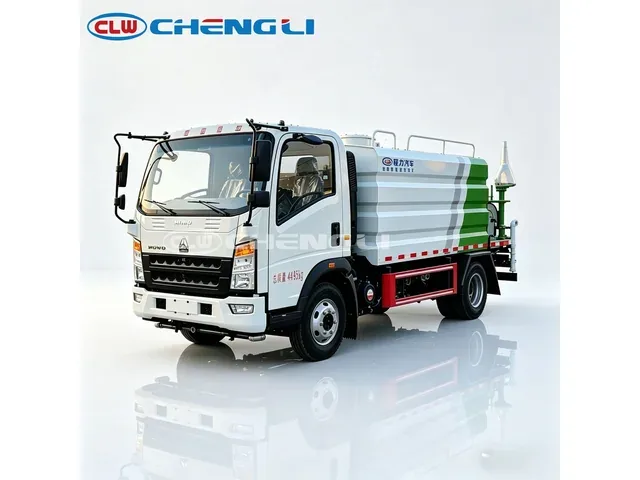
Discuss a water bowser for the specified water-transfer or spraying duty and a fuel bowser where machinery refuelling is needed. We review farm-track access, refill distance and discharge points. Intended drinking-water use needs to be stated before the tank and hygiene arrangements are defined.
02 / WORK PACKAGE
Discuss a bulk-feed truck for the feed and silo-discharge arrangement, and a dedicated livestock or poultry body for the animals and journey. These are separate transport tasks. We review loading interfaces, cleaning and cargo requirements rather than suggest that one body serves feed and live animals interchangeably.
03 / WORK PACKAGE
Discuss a refrigerated truck for the defined cargo and temperature duty, or a milk and edible-oil tanker for the specified liquid collection task. We identify the loading cycle, cleaning requirements and equipment package separately. The quotation records the selected body or tank arrangement for the food product involved.
We prepare the proposed chassis and body or tank package from the route, cargo and loading information. The offer separates optional equipment and records the selected steering arrangement.
We support a factory, video or buyer-appointed review against the signed schedule. The checklist can identify the loading interface, access, body arrangement and specified working equipment, with any third-party scope and charges agreed separately.
We discuss the available operating and component information for the selected equipment. Manual language, cleaning instructions, parts identification and any training or assistance requirements are addressed in the order discussion, with the agreed scope recorded in writing.
Send the cargo or animal species, required volume or payload, trip and loading pattern, farm access, temperature or hygiene requirements, steering, quantity and destination. For feed delivery, include the silo or unloading connection; for livestock, include the journey and body requirements.
We use the country, named port and final town or site to develop the steering, document and delivery discussion. Explore the relevant market page for route options and the official import-planning sources used there.
Explore all markets →We review the cargo, required temperature, loading pattern, route, payload and refrigeration duty as well as box volume. Those details are used to develop the body and equipment specification.
Send the species, expected animal size, journey, loading arrangement and body requirements. We discuss access, cleaning, space and ventilation in the vehicle brief, with applicable welfare requirements reviewed for the operation.
We can discuss the specific liquid, required load, tank material, cleaning and loading or discharge arrangement. The proposed equipment and any required evidence are identified for that food-transport task.
Compare the six solution scenarios →
Send the job, daily duty, capacity, access conditions and destination. We will work through the proposed vehicles, equipment and order scope with you.
YOUR NEXT TRUCK STARTS HERE
Truck type. Capacity. Quantity. Destination.