
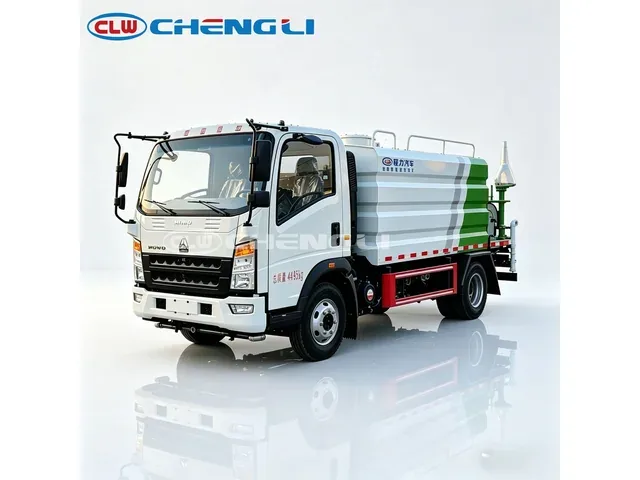
Product photograph
CLW / TRUCK SOLUTIONS
We help procurement teams translate a service brief or tender schedule into a proposed vehicle configuration. Water supply, sanitation and public-response tasks need clear capacities, equipment and handover requirements. We identify the proposed chassis and steering, separate options and prepare an itemised quotation for review.
Product photograph
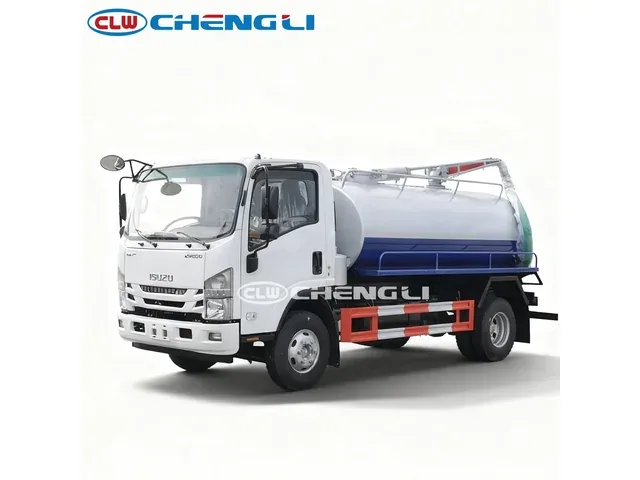
Product photograph
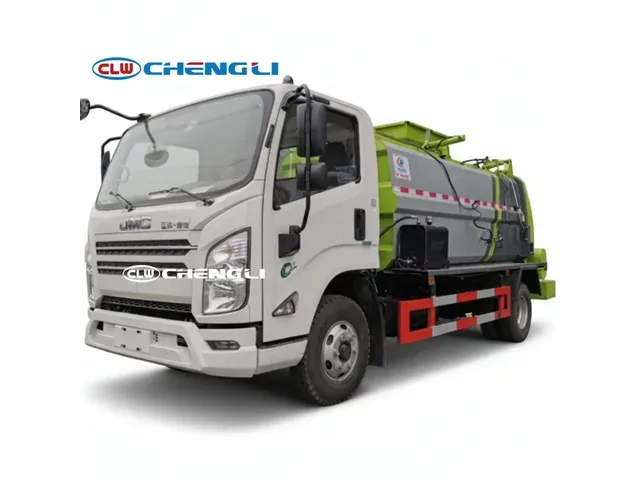
Product photograph
We use the tasks below to develop a vehicle schedule. The final combination and quantities follow your operating brief, with each capacity, chassis and equipment package specified and quoted for the order.
01 / WORK PACKAGE
Discuss water vehicles for the stated supply duty alongside an exhauster where wastewater collection is part of the service. We keep drinking-water and wastewater equipment requirements separate and review the refill, delivery and disposal arrangements before proposing capacities.
02 / WORK PACKAGE
Discuss refuse compactors for the collection interface and a road sweeper for the defined street-cleaning duty. We use the authority's route, bin and disposal information to develop the equipment brief. The quotation can identify separate line items for each vehicle and its selected working equipment.
03 / WORK PACKAGE
Discuss a fire or response vehicle against the service's equipment schedule and mobile power where the project requires a defined generation task. We review crew, equipment, access and power requirements as separate items, with any required approval or acceptance evidence identified for the procurement.
WHO: delivering safe water by tanker — technical planning considerations ↗
We can organise the tender or service brief into a proposed vehicle and equipment schedule. The quotation identifies quantities requested by the buyer, configuration choices, optional items and commercial scope for review.
We support a factory visit, video review or buyer-appointed third-party inspection against the signed specification. The agreed checklist, timing, provider responsibilities and any charges form part of the acceptance discussion.
We provide agreed commercial and available manufacturer information for the chosen configuration. We discuss delivery, document-language and support requirements before dispatch. The written offer identifies the agreed documents and responsibilities for the requested vehicles.
Send the tender or service schedule, required truck types, capacity or output, equipment and document requirements, steering, quantities and deployment locations. Include mandatory acceptance criteria and distinguish required items from optional ones.
We use the country, named port and final town or site to develop the steering, document and delivery discussion. Explore the relevant market page for route options and the official import-planning sources used there.
Explore all markets →We can review the supplied requirements, organise the proposed vehicle and equipment line items, and identify options and points needing further review. The offer states the configuration and included commercial scope.
We discuss the requested company, manufacturer, inspection and handover information alongside the vehicle specification. The offer identifies available documents and any evidence needing further review for the particular procurement.
We discuss the inspection checklist, documents, delivery point and support requirements alongside the vehicle specification. The written order identifies the agreed responsibilities, evidence and included services.
Compare the six solution scenarios →
Send the job, daily duty, capacity, access conditions and destination. We will work through the proposed vehicles, equipment and order scope with you.
YOUR NEXT TRUCK STARTS HERE
Truck type. Capacity. Quantity. Destination.